Science. Technology. Precision.
ZuiverLab brings together biotechnology research, genetic engineering and modern laboratory technology. We focus on scientific analysis and specialized instrumentation for research, measurement, sample preparation and controlled laboratory processes.

Biological science, instrumentation and analytical research within one integrated laboratory environment.
Technology designed to support reproducible research workflows.
Where Biology, Technology and Data Come Together
Modern scientific research rarely depends on a single technique. ZuiverLab therefore approaches research as a complete workflow, from biological questions and genetic analysis to sample preparation, instrumental measurement and interpretation of scientific data.
Biotechnology
Biotechnology research combines biological knowledge with technical and analytical methods. ZuiverLab focuses on the relationship between molecular processes, biological samples, experimental conditions and measurable scientific data.
Genetic Engineering
Genetic information forms a fundamental layer of modern life sciences. Our research interests include genetic structures, molecular mechanisms and the relationship between biological information and observable characteristics.
Analytical Science
Reliable scientific conclusions begin with reliable observations. Microscopy, spectrophotometry and other analytical techniques support systematic characterization of biological and chemical samples.
Instrumentation for Modern Laboratory Research
Laboratory technology supports every stage of the research process. Explore instrumentation for microscopic observation, optical analysis, sterilization, sample preparation, controlled incubation and precise liquid handling.

Microscopes
Optical instruments for magnification, observation and analysis of biological structures, prepared samples, cells and other microscopic research materials.
Explore Microscopes →
Spectrophotometers
Analytical instrumentation for optical measurements and quantitative analysis within biological, biochemical, chemical and other laboratory workflows.
Explore Spectrophotometers →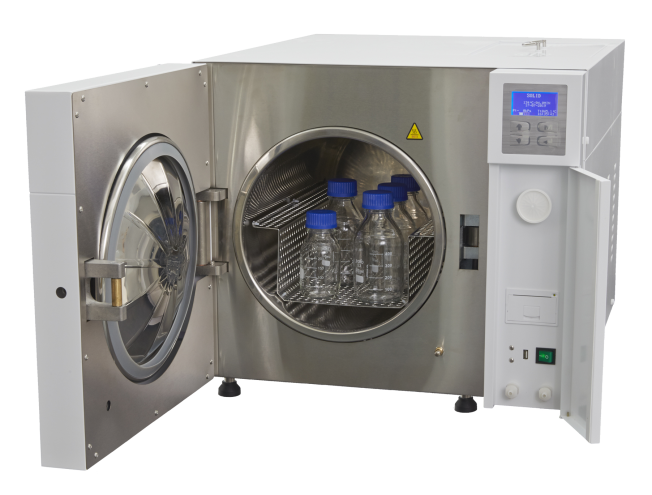
Autoclaves
Laboratory equipment for controlled steam sterilization of compatible instruments and materials used in scientific and research environments.
Explore Autoclaves →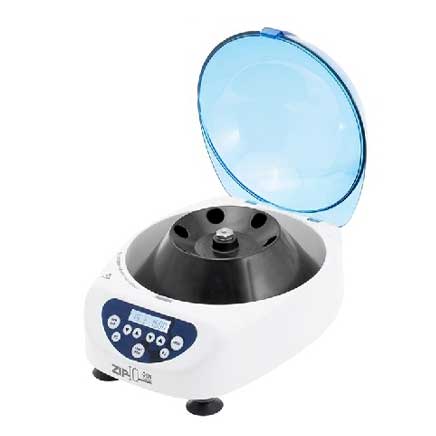
Centrifuges
Laboratory centrifuges support controlled separation of sample components and form an important part of many biological, chemical and analytical workflows.
Explore Centrifuges →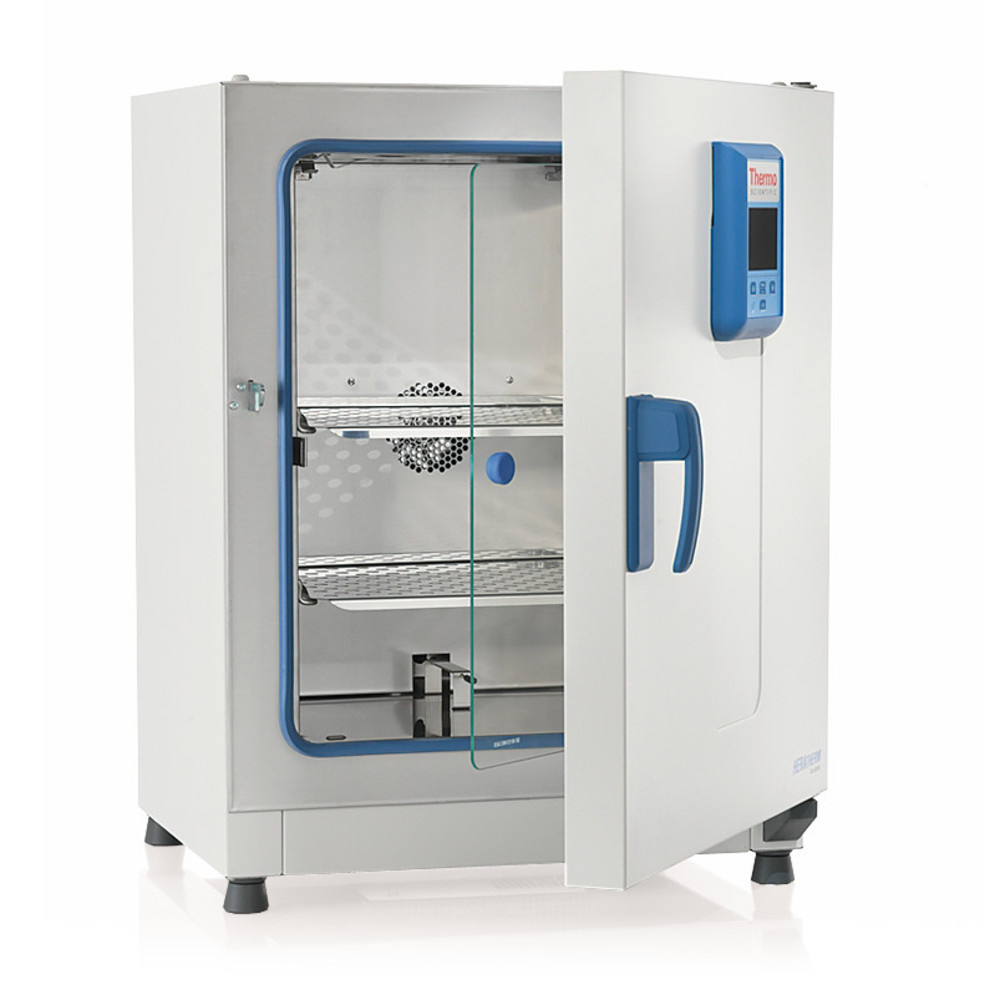
Incubators
Controlled laboratory environments for processes where stable temperatures and reproducible experimental conditions are important.
Explore Incubators →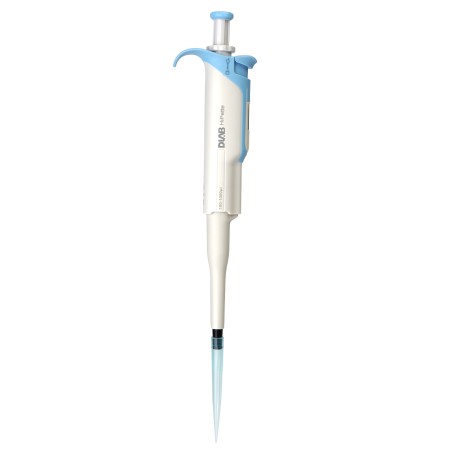
Pipettes
Precision instruments for controlled liquid transfer within biological, chemical and analytical laboratory procedures.
Explore Pipettes →
Science, instrumentation and research data come together within one integrated laboratory environment.
Built Around Science, Precision and Technology.
ZuiverLab operates at the intersection of biotechnology, genetic engineering and modern laboratory technology. For us, reliable research does not begin with a single instrument or one measurement. It begins with the complete scientific workflow.
From defining a research question and preparing a sample to instrumental analysis and data interpretation, every stage can influence the quality and usefulness of the resulting scientific information.
We therefore combine scientific research interests with specialized laboratory instrumentation. Our objective is to create an environment where research, technology, analytical processes and dependable equipment are logically connected.
Research into biological, cellular and molecular systems.
Research into genetic information and molecular processes.
Instrumental observation, characterization and scientific measurement.
Equipment supporting controlled and reproducible research workflows.
A Complete Approach to Modern Laboratory Research
Scientific results are shaped by the combination of research methodology, laboratory equipment, experimental conditions and data analysis.
ZuiverLab focuses on biotechnology research, genetic engineering and modern laboratory technology. Modern life sciences increasingly bring different scientific disciplines together. Molecular biology, genetics, cell biology, microscopy, analytical chemistry and digital data processing can all form part of the same research project.
For this reason, we do not view laboratory instruments as isolated devices. A microscope, centrifuge, spectrophotometer, autoclave, pipette or incubator performs a particular function within a much broader scientific workflow.
Good science requires a clear relationship between the research question, sample preparation, experimental conditions, instrumentation and analytical interpretation. When these components are approached systematically, research can become clearer, more consistent and more reproducible.
Biotechnology and Genetic Engineering
Biotechnology combines biological knowledge with technical and analytical methods. Genetic engineering represents an important field within this broader scientific landscape because genetic information plays a central role in understanding biological systems.
Research involving DNA, genetic structures and molecular processes can provide insight into how biological information is stored, regulated and expressed. These mechanisms form part of the foundation of modern molecular biology.
Genetic information can also be considered alongside observations from cell biology, microscopy and other analytical methods. This allows a biological research question to be investigated through several different layers of scientific information.
Microscopy and Visual Analysis
Microscopes are among the most recognizable pieces of laboratory equipment used in biological research. They make structures visible that cannot be adequately observed with the unaided eye.
Depending on the research question, microscopy can be used for the observation of biological preparations, cellular structures and other microscopic research materials.
Microscopy is therefore more than simple magnification. Instrument configuration, optics, sample preparation and observation methods collectively determine what information becomes available for subsequent scientific interpretation.
Spectrophotometry and Analytical Measurement
Spectrophotometers use interactions between light and a sample to measure optical properties. Spectrophotometry therefore represents an important analytical technique across biological, biochemical and chemical laboratory workflows.
An instrumental measurement does not automatically produce a scientific conclusion. Sample quality, instrument settings, calibration, measurement conditions and interpretation can all affect the meaning of the resulting data.
ZuiverLab therefore considers analytical instrumentation as part of a complete workflow in which preparation, measurement, documentation and data analysis remain connected.
Sterilization and Controlled Processes
Not every laboratory instrument directly generates analytical data. Autoclaves, for example, support laboratory processes by using controlled steam conditions to sterilize compatible materials and instruments.
In research environments where contamination control is important, sterilization and appropriate laboratory practices can be essential parts of a well-managed scientific workflow.
Incubators also provide a supporting function. They create controlled environments for processes in which temperature stability and reproducible experimental conditions are relevant.
Centrifugation and Sample Preparation
Many analytical processes begin before a sample is placed inside a measuring instrument. Sample preparation can determine which components are available for subsequent analysis and may therefore influence the quality of the final measurement.
Centrifuges are used to separate components of samples under controlled conditions. Consequently, they play an important role within many biological, chemical and analytical preparation workflows.
Pipettes and other liquid-handling instruments are equally important for consistent sample preparation. Accurate liquid transfer helps researchers control volumes and reduce unnecessary experimental variation.
From Laboratory Instruments to Research Data
Modern laboratories can generate substantial amounts of digital research information. Scientific instruments produce numerical measurements, spectra, images and other forms of data that subsequently require processing and interpretation.
The quality of this information remains connected to the conditions under which it was generated. Instrument settings, sample preparation and experimental controls should therefore remain part of the scientific context.
This principle represents an important part of the ZuiverLab approach: reliable science is supported when research, laboratory technology and analytical data are considered as parts of one connected scientific process.
From Research Question to Reliable Data
A scientific result is not determined by a single instrument. The quality of each stage can influence the stages that follow.
Sample Preparation
Consistent sample preparation provides an important foundation for subsequent scientific analysis.
Experimental Control
Controlled conditions help reduce unnecessary variation within scientific and analytical processes.
Instrumental Analysis
Laboratory technology makes biological and chemical characteristics observable, measurable and suitable for analysis.
Data & Interpretation
Measurements gain scientific meaning when they are interpreted within the context of the experiment.
Questions About Research or Laboratory Equipment?
Contact ZuiverLab for enquiries regarding our research areas, laboratory technology, microscopes, spectrophotometers, autoclaves, centrifuges, incubators and other specialized laboratory equipment.
Send Us an Email ↗Email: contact@zuiverlab.nl